Picking a loyalty application means wading through a soup of technologies: QR codes, NFC tags, and digital wallet pass options all promising the same thing — more repeat customers. Strip away the jargon and the choice gets a lot clearer.
The three options in plain terms
- QR codes — scanned by any camera. Cheapest, most universal, works on every phone and in every shop today.
- NFC tags / tap-to-earn — a phone taps a reader. Fast in theory, but needs hardware and customer setup.
- Digital wallet passes — cards stored in Apple Wallet or Google Wallet, often paired with NFC. Slick, but enrollment drop-off is real.
Match the tech to your reality
The right mix depends less on what's newest and more on three honest questions:
- How tech-comfortable are your customers? Wallet passes assume confidence many shoppers don't have.
- How many counters and branches need to read the code? Each one is an NFC reader, or just another phone with QR.
- What's your hardware budget — really?
For most small businesses, the answers point toward QR as the backbone, with fancier options reserved for when scale demands them.
A worked example
A food cart owner evaluates a loyalty application and is tempted by NFC wallet passes because they look modern. Then reality lands: there's no counter to mount a reader on, customers are in a hurry, and half won't set up a wallet pass. A QR code taped to the cart solves all three problems instantly. The modern option loses to the practical one.
Start simple, scale later
The best loyalty application is the one your customers and staff will actually use every day. That almost always means starting with QR and adding complexity only when you've outgrown it.
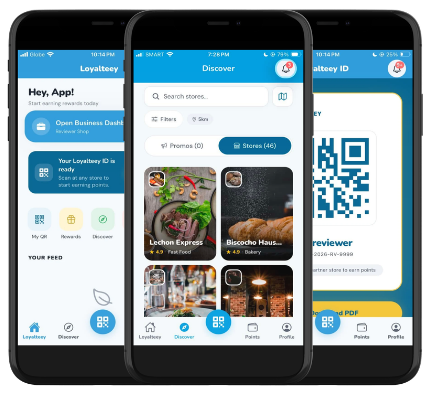
Loyalteey keeps it to one QR Loyalteey ID per customer, scanned from the same app in business mode — no NFC readers, no wallet pass setup, no POS overhaul. Brackets, birthday rewards, a suki list, and multi-branch support are all built in. See how it works.