A loyalty app is usually pitched as a way to bring customers back. That is true, but it undersells what actually happens inside a small shop after a loyalty rewards program for small business goes live. The real benefits show up sideways — in how owners price, staff, and stock.
Here are seven benefits most owners only notice a month or two in.
1. You finally know your regulars by name
Before a loyalty app, "regular" was a feeling. After, it is a list. You see who comes every week, who lapsed, who switched branches. That suki list is the most quietly powerful asset in the whole tool.
2. Slow days get a usable lever
Empty Tuesday afternoon? Send a double-points hour to people who have visited in the last 60 days. It is not magic — but it is something specific you can do, instead of just hoping foot traffic shows up.
3. Pricing decisions get sharper
When you can see what regulars actually buy, you stop discounting things they were going to order anyway. A salon owner might realize her loyal clients all add the scalp treatment — so the reward should not be a free treatment, it should be a free upgrade on a service they have not tried yet.
4. Staff handovers stop losing customers
When a long-time cashier quits, regulars often quit too — because the recognition leaves with the staff. A loyalty app moves that recognition into the system. The new hire greets the customer by name on day one because the scan tells them.
5. Birthdays become a real channel
Most small shops never used birthdays because collecting them by hand was awkward. With Loyalteey, the birthday field gets captured at signup and an automatic reward fires that day. It is the highest-converting message a small shop can send, and it costs nothing to set up.
6. You catch churn before it kills you
A customer who used to come weekly and has not scanned in 30 days is a soft alarm. You can win them back with a small nudge while it is still cheap. Without data, you only notice churn when revenue is already down.
7. Multi-branch owners get a single brain
If you run two or three locations, the loyalty app stops them from acting like strangers. A customer earning at branch A can be recognized at branch B. Points stay per-store by design — which keeps your unit economics clean — but the customer relationship travels.
What this looks like in practice
Picture a small bakery in the suburbs. Before launch, the owner thought her best customer was the lady who buys a whole cake every Friday. After two months of data, she realized her real top-five were quiet weekday morning regulars who each spend a third as much but visit four times more. She redesigned her weekday counter display around them. Revenue went up. None of that decision required a marketing budget — just visibility.
That is the underrated story of a small business loyalty app. It is less about giving rewards and more about giving owners the same kind of customer visibility big chains have always had.
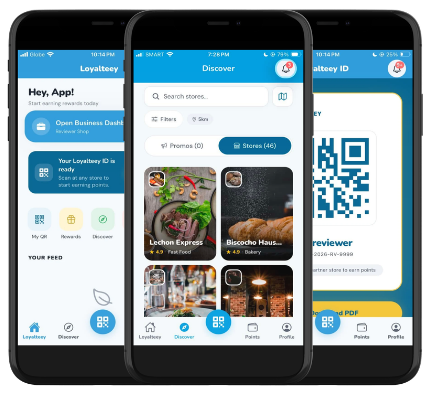
The Loyalteey app bundles per-store wallets, birthday rewards, a suki list, and multi-branch support into one mobile app for both customers and owners. Most owners launch on the free plan and move to Pro once they have data they want to act on.