Before you commit to a rewards app, it's worth separating hype from need. NFC wallet passes — the tap-to-earn cards that live in Apple Wallet or Google Wallet — sound premium. But "premium" and "right for your shop" are not the same thing.
What NFC adds, and what it costs
NFC's selling point is speed and a slick wallet experience. The costs are quieter: a reader at each counter, customer phones that support and have enabled NFC, and the drop-off from everyone who never finishes installing the pass.
QR codes carry almost none of that overhead. A code printed on a card or shown on a screen scans with any camera, on any phone, in any shop, today.
A quick gut-check
Ask yourself three questions before paying for NFC:
- Do my customers already know how to add a wallet pass — or will half of them give up?
- Can I afford and maintain a reader at every counter and branch?
- Will tapping instead of scanning genuinely change how often people come back?
If the honest answers are "probably not," you're looking at cost without payoff.
A real example
Take a small bakeshop with two staff. With QR, a new hire learns the rewards app in minutes and the owner spends nothing extra. Swap in NFC and suddenly there's a device to buy, a customer who can't get their pass to tap, and a line forming behind them. The bread doesn't get any better — but the friction does get worse.
Spend on rewards, not readers
The part of a rewards app that drives loyalty is the reward and how easy it is to earn — not the radio chip doing the handshake. For most SMBs, QR delivers the same outcome for a fraction of the fuss.
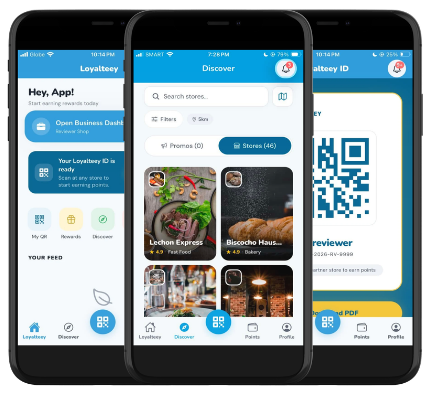
Loyalteey is built around a single QR Loyalteey ID, so customers earn points per store with no NFC hardware to buy and no setup to babysit. You put your money and attention into brackets, birthday perks, and your suki list instead of into counter gadgets. Try Loyalteey free and decide for yourself.