Regulars keep the lights on. Not the once-a-year “I was nearby” customer, but the person who comes in after work, every other Friday, or whenever their phone screen cracks.
A loyalty program is how you turn those habits into something predictable, measurable, and worth coming back for.
Retention and lifetime value, in plain shop-owner terms
Customer retention is how many people return after their first visit. Lifetime value (LTV) is what a customer spends with you across months (or years), not just on one receipt.
Here’s the thing: most small businesses don’t need a “viral” month. They need a calm, repeatable base. A loyalty program helps because it gives customers a reason to choose you again when they’re deciding between five similar options on the same street.
And yes, discounts can bring people in once. But discounts alone train people to wait for the next discount. Loyalty, when it’s set up well, rewards consistency instead of bargain hunting. Honestly, weekend punch cards are often a waste — they fill up slowly, get lost, and don’t tell you anything about who’s actually coming back.
Why points work (and why Loyalteey’s per-store points matter)
Points work because they make progress visible. A customer can feel the “I’m close” moment. That’s the tiny nudge that turns “maybe later” into “I’ll pop in today.”
With Loyalteey, points are per-store points. Customers earn and redeem at the same business. That sounds obvious, but it’s important: your rewards budget stays tied to your sales, and your regulars aren’t distracted by some unrelated brand’s promo.
Try this simple setup this week:
- Pick one main earn rule (example: 1 point per $1 spent). Keep it boring. Boring converts.
- Create a small “first win” reward that’s reachable fast (think 20–40 points, depending on your average ticket).
- Add one bigger reward that feels like a treat, not a coupon (a free add-on service, a premium item, or a higher-value bundle).
That’s your rewards ladder. You’re not bribing customers. You’re giving them a clear path to come back.
Make it effortless: one-QR Loyalteey ID and the customer wallet
If earning points is awkward, people won’t bother. If your staff has to hunt for a phone number while the line grows, it won’t last past the first busy Saturday.
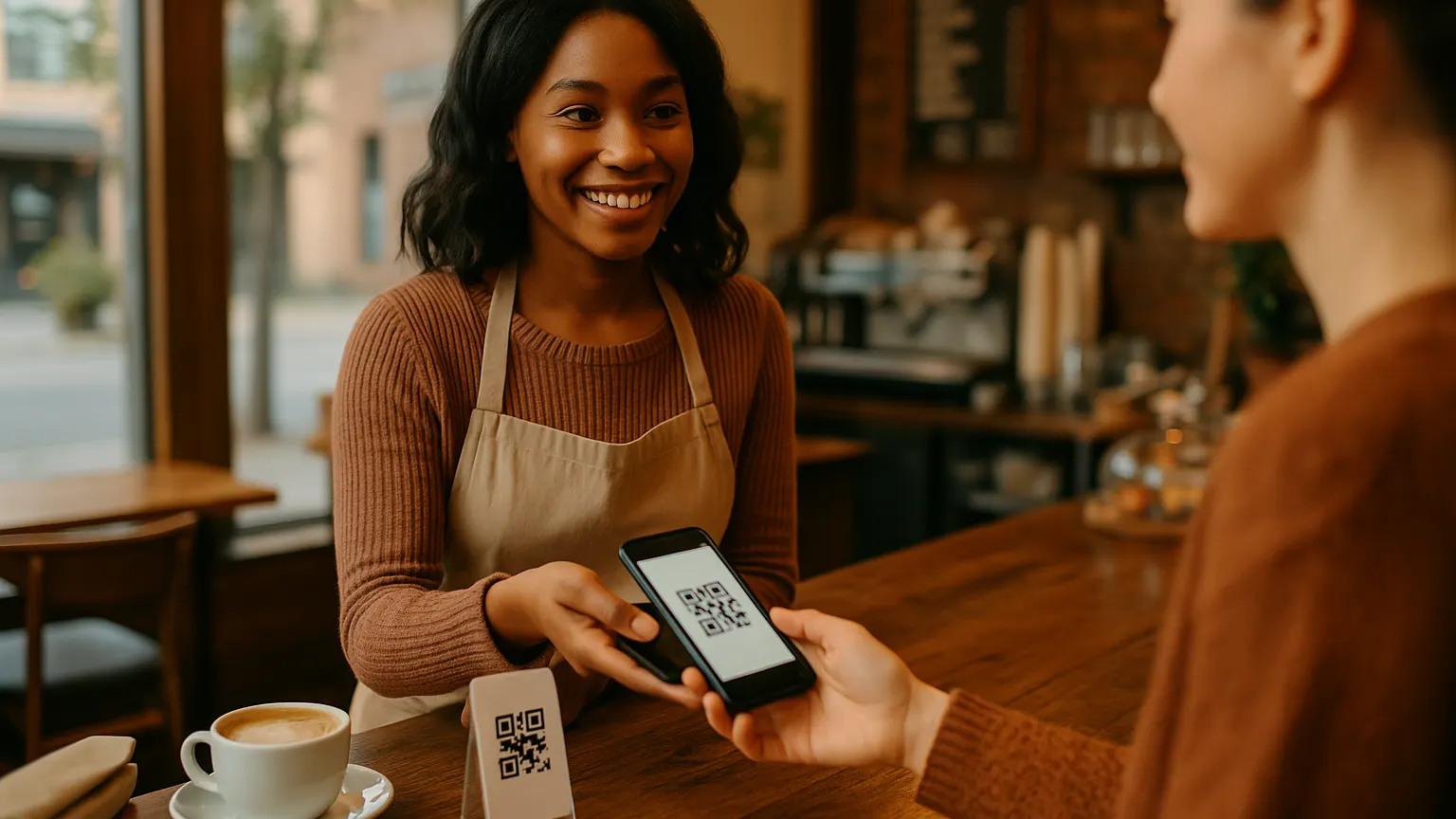
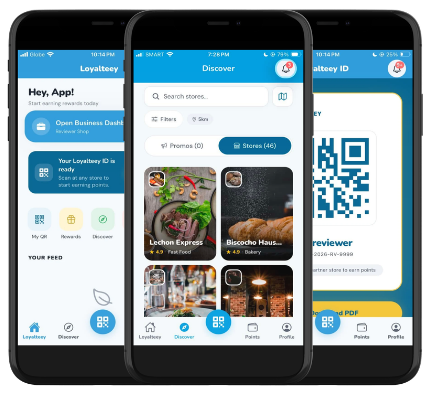
Loyalteey keeps it simple with a one-QR Loyalteey ID. The customer opens their app, you scan, done. Their loyalty card lives in their customer wallet, so they’re not digging through screenshots or carrying paper cards that look like they’ve been through the laundry.
Picture a downtown café at 3pm. The barista is solo. Someone orders a $6 iced coffee and a pastry. With a QR scan, the earn happens in seconds, and the customer sees points land right away. That little “nice” moment matters. It turns an ordinary visit into a habit.
Spend more per customer using brackets, tiers, and a rewards ladder
Retention is great. LTV gets really interesting when your loyalty program gently nudges customers to add one more item, upgrade, or book the longer service.
In Loyalteey, you can use tiers/brackets to reward higher spenders or more frequent visitors differently. Not with complicated math. With a clear “you’re in this bracket now” feeling.
A high-street salon example:
Someone usually books a basic haircut. If your next bracket gives a better earn rate or unlocks a perk (like a free conditioning treatment after a certain spend), they have a reason to try the add-on once. Then it becomes their normal.
Keep your ladder tight:
- First reward: small, quick, and frequent. This builds the “I actually use this” trust.
- Middle reward: your best margin-friendly option (often an add-on, not a full free service).
- Top reward: something people talk about. Not expensive, just special.
Plan note: if you want more room to segment, the paid Pro tier supports more brackets than Free, and Pro Plus is there if you’re running larger operations and want deeper control. (Start simple either way. You can always expand.)
Bring customers back sooner with point multipliers and blasts/promos
The easiest way to boost retention is to shorten the time between visits. Don’t wait for customers to “remember you.” Give them a reason to come back on a slow day.
Loyalteey lets you run point multipliers and send blasts/promos. Use them like seasoning, not the whole meal.
One practical play you can run this week:
- Pick your quiet window (Tuesday morning, Wednesday after lunch, Sunday evening).
- Set a multiplier for that window only (2× points is easy to understand).
- Send one short blast with a clear offer and time limit. No essays. No guilt.
A neighborhood repair shop could do “2× points on labor bookings booked before Thursday.” A corner store could do “2× points on hot food from 11am–1pm.” Same idea, different business.
And yes, people will show up for points. Especially when they can see they’re close to a reward.
Run it across locations and staff without chaos
If you have more than one location, or even just a busy team, loyalty falls apart when it’s “one person knows how it works.”
Loyalteey supports branches and staff accounts, so points can be issued consistently even when the owner isn’t there. That consistency is a retention tool by itself. Customers hate asking, “Can I still earn points here?” and getting a shrug.
Then there’s the part most punch cards can’t do: dashboard insights. You can actually look at what’s happening. Are rewards being redeemed? Are customers stalling right before the first reward? Did your multiplier day bring people back, or just discount your regular traffic?
Small adjustment, big effect. If you notice customers stopping at 18 points because the first reward is at 30, lower it. If your top reward never gets redeemed, it’s probably too far away or not exciting enough.
If you want higher retention and stronger lifetime value, don’t overthink it. Set a simple earn rule, build a rewards ladder people can reach, and use a multiplier to pull visits into your slower hours.
Loyalteey is free to start, and your first bracket takes about 5 minutes to set up. Customers can download Loyalteey from the App Store or Google Play, scan their one-QR Loyalteey ID, and start earning right away.