A packed shop feels amazing. Then Tuesday hits, the line disappears, and you’re back to paying for “new customers” who never return.
That’s the hidden cost of one-time customers. It’s not just lost sales. It’s the constant treadmill of promos, discounts, and staff effort just to stay even.
One-time customers aren’t free (even if they paid)
Let’s say someone drops by your café once, spends $8, and leaves. Good, right? Sure. But if they never come back, you just spent real resources to earn a single transaction.
Think about what it took: the social post you boosted, the “buy one get one” sign, the extra pastries you prepped “just in case,” the staff time explaining the menu to a first-timer. None of that shows up as a line item called “one-time customer tax,” but it’s there.
Honestly, the worst part is the mood whiplash. Your team gets trained to chase peaks (weekends, paydays, tourist waves) instead of building a calm, reliable base of regulars who already know what they want.
Per-store points stop the loyalty “confusion tax”
A lot of loyalty programs fail because customers don’t understand them. Or they think the points are some vague brand-wide thing that might work here, might not, who knows. Confused customers don’t participate. They just pay and go.
Loyalteey’s per-store points are simple: customers earn points at your store and redeem rewards at your store. No weird pooling. No “maybe I can use this elsewhere.” It’s clear from the first scan.
That clarity matters because it turns a one-time visit into an ongoing story. “I’m already on my way to a reward here.” Even if they only liked you, not loved you, that small nudge is often enough for a second visit. And the second visit is where habits start.
Make returning effortless with one-QR Loyalteey ID
Here’s a scene you’ve lived: it’s 3:10pm, someone’s juggling a bag, a kid, and a phone. Your staff asks, “Do you have our loyalty card?” They say no, smile politely, and walk out as a non-member again.
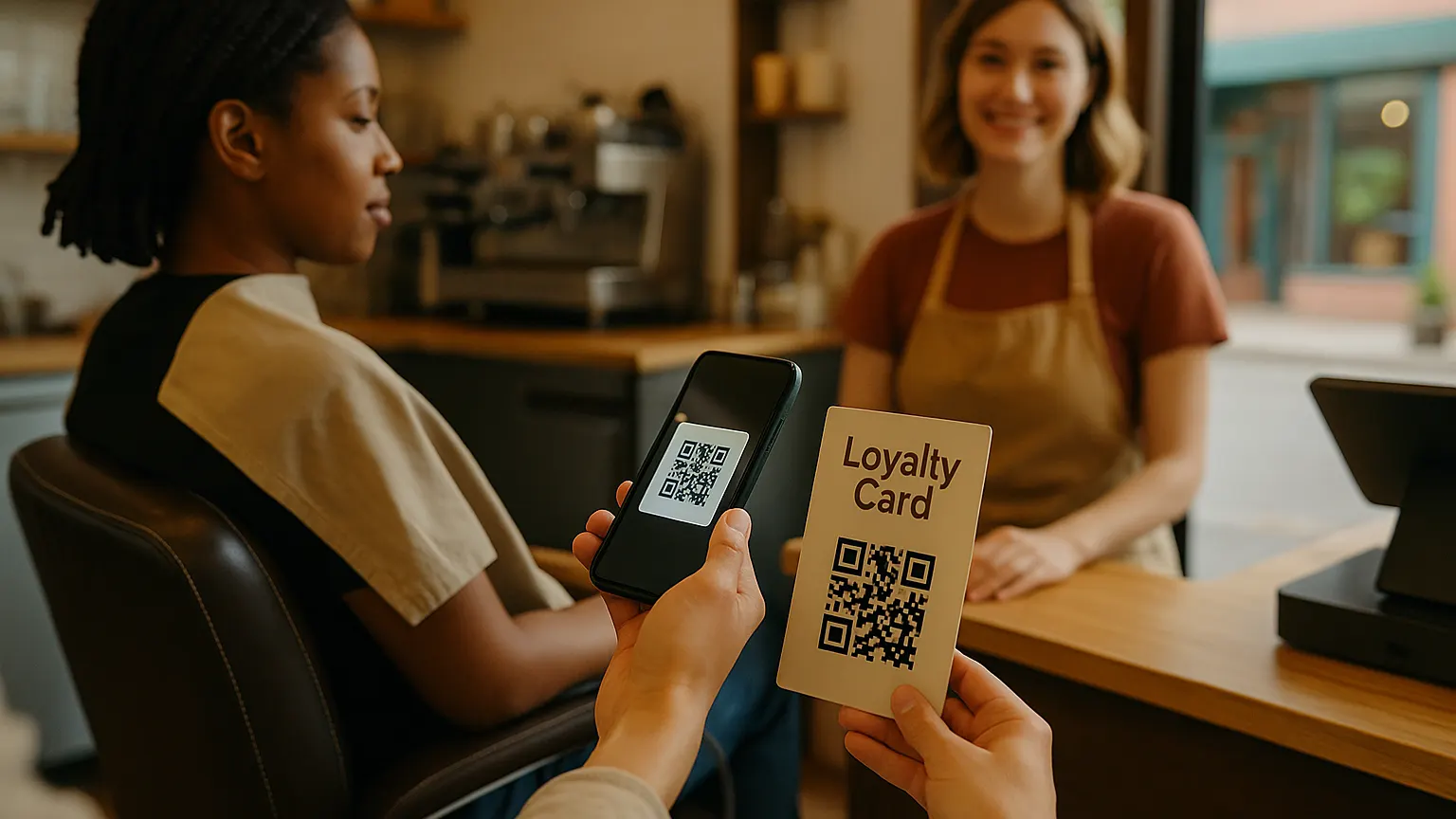
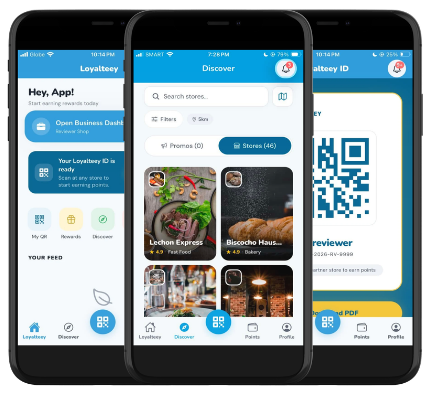
Loyalteey avoids that with a one-QR Loyalteey ID. Customers have one QR in the app. Your staff scans it, done. No stamp cards to lose. No phone number guessing. No awkward “spell your email” moment with a line behind them.
And because it’s the same Loyalteey ID across stores, customers get used to the motion. They already know where the QR lives. That tiny reduction in friction is what makes loyalty actually happen during real rushes.
A rewards ladder beats one big prize (and keeps people coming)
Big “spend $200, get $10 off” rewards look impressive on paper. In practice, they’re a graveyard. Customers can’t see the finish line, so they don’t bother starting.
Use a rewards ladder instead: smaller rewards earlier, then better ones later. It’s not about bribing people. It’s about giving them a reason to choose you again soon, while your shop is still top-of-mind.
If you want a simple setup you can launch this week, start with something like:
- Low step: a quick win customers can hit in one or two visits (great for converting first-timers).
- Middle step: a reward that fits your margin, but feels “worth it” (think add-ons, upgrades, bonus services).
- High step: your headline reward for true regulars, the people you’d recognize without looking up.
Loyalteey supports this structure natively with brackets. If you’re starting out, the Free plan is enough to get your first bracket live and collecting points. When you’re ready to run a more layered ladder, the paid Pro tier gives you room to build it out further (without you juggling multiple punch cards behind the counter).
Stop discounting everyone, use point multipliers and blasts/promos
Discounts are tempting because they’re easy to explain. But blanket discounts train customers to wait. They also punish your best regulars, who would’ve paid full price anyway.
A better move: reward the behavior you want. Slow Tuesday? Bring it to life. Quiet mornings? Fill them. New menu item? Get people to try it.
With Loyalteey, you can use point multipliers to create targeted mini-campaigns without changing your prices. For example, a café could run “2× points before 11am” for two weeks. A salon could do “1.5× points on weekday color services.” Small changes, measurable impact.
Then there’s communication. Loyalteey includes blasts/promos so you can message customers who already opted into your loyalty world. Not strangers. Not a cold audience you paid for. Your people.
And if you operate in more than one location, branches help you run one loyalty program across your sites while still keeping operations tidy. Add staff accounts so each team member can scan and serve without sharing a single login (cleaner, safer, less chaotic).
Find your real leak with dashboard insights (then patch it)
If you’re relying on vibes, you’ll keep spending on acquisition because it “feels” like the answer. The fix is usually retention, but you need proof. That’s where dashboard insights earn their keep.
Look for one of these patterns:
- Lots of first scans, few second visits: your first reward is too far away, or your staff isn’t mentioning it consistently.
- Strong earning, weak redemption: rewards aren’t exciting, or the redemption process is unclear at the counter.
- Redemptions spike then drop: your ladder is too “top heavy,” so people stop after the first win.
Fix one leak at a time. Adjust the bracket. Add a better mid-tier reward. Run a short point multiplier window. Then check the numbers again next week. Boring? Yes. Effective? Also yes.
One-time customers will always exist. People move, travel, try new places. But your business shouldn’t depend on them to survive.
Loyalteey is free to start, and your first bracket really can take about five minutes to set up. Put the QR by the register, train your team on a simple line (“Want to earn points for rewards?”), and let regulars start stacking value. Customers can download Loyalteey from the App Store or Google Play and use their one-QR Loyalteey ID right away.