A loyalty app and a mobile wallet loyalty program look similar from the outside — both live on the phone, both involve scanning, both promise rewards. The difference shows up the second a small business tries to actually run one.
Wallets are built for payment volume. Loyalty apps are built for retention. Those are different jobs.
What "loyalty" needs to mean to a small shop
For a corner café, loyalty is not a points balance. It is the ability to recognize the customer who has been coming in every Tuesday for six months. It is the ability to wish them a happy birthday with a free pastry. It is knowing when they stop showing up — before they are gone for good.
A generic mobile wallet loyalty program rarely does any of this. It hands out points, sometimes a coupon, and stops there. A loyalty app is purpose-built for the rest.
The features that move retention
- Per-store points so spend at your shop only redeems at your shop.
- Point brackets so a ₱150 transaction earns differently from a ₱50 one.
- Birthday and milestone rewards that fire without staff input.
- Suki insights that highlight regulars who are slipping.
- Multi-branch support if you grow past one location.
A real-world test
A salon owner in Cebu tried two things back to back: a coupon promo through a popular e-wallet, and a self-run loyalty app. The wallet promo brought 40 new walk-ins, none of whom returned. The loyalty app added 60 regulars to her suki list over the next two months, and 24 of them booked a second service.
Acquisition is easy to buy. Retention is what compounds.
You do not have to choose
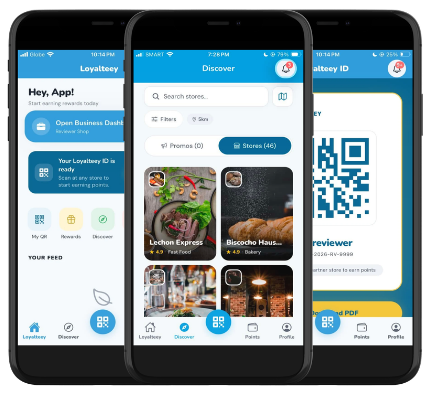
You can absolutely keep accepting wallet payments — that is just checkout. But the loyalty layer should belong to you. The Loyalteey app gives every shop its own per-store wallet, brackets, and rewards, while customers use one universal Loyalteey ID across every participating business. Free for owners to start, and no POS to swap.