A loyalty app is one of the cheapest growth tools a small business can launch — but it is also one of the easiest to fumble. After watching dozens of small shops roll out a loyalty rewards program for small business, the failure pattern is almost always the same five mistakes.
None of them are about the technology. They are about how the owner set the rules.
1. Rewards that take forever to earn
If a customer has to visit 20 times to claim anything, they will quit before reaching the prize. The math feels safer for the owner, but it kills the dopamine loop that makes loyalty work. A good rule: the first reward should feel reachable within 4–6 visits for a regular.
Loosen the entry tier. Tighten the higher tiers if you must. Never make the first reward a marathon.
2. Launching without training the cashier
The customer-facing part of a loyalty app is your staff, not the screen. If the cashier looks confused or forgets to ask "Want to earn points?", sign-ups collapse no matter how good your rewards are.
Do five practice scans before you go live. Write the one-sentence script. Tape it next to the register. Boring, but it is the difference between 10% adoption and 60%.
3. Treating every customer the same
The whole point of a loyalty app is that you can finally tell regulars from one-timers. Owners often blow this by sending the same generic broadcast to everyone. Your top 20 customers deserve a different message than someone who scanned once and disappeared.
Even a basic split — "active in the last 30 days" vs "lapsed" — outperforms any blast to the full list.
4. Changing the rules too often
If customers feel like the deal keeps shifting, they stop trusting the program. Set your bracket and your headline reward and leave them alone for at least 60 days. Add new rewards on top, but do not move the goalposts on existing ones.
One barbershop kept adjusting how many points a haircut earned during the first month. Regulars complained, signups stalled, and the owner blamed the app. The app was fine. The rules just needed to sit still.
5. Forgetting the birthday field
This is the highest-return reward in any small business loyalty app, and most owners never turn it on. A small free item on someone's birthday produces visits that would not have happened otherwise — and the message lands without you doing anything that day.
If you skip nothing else on this list, do not skip this one.
What a clean launch looks like
Imagine a milk tea shop that opens its loyalty rewards program for small business with one bracket (₱1 = 1 point), one reachable reward (free upgrade at 600 points), a 30-second cashier script, and birthday rewards turned on. No tiers. No referral system. No flashy launch post.
Three months later, the owner has a real suki list, knows which day of the week has the most lapsed customers, and is ready to add a second reward tier based on actual behavior — not guesses.
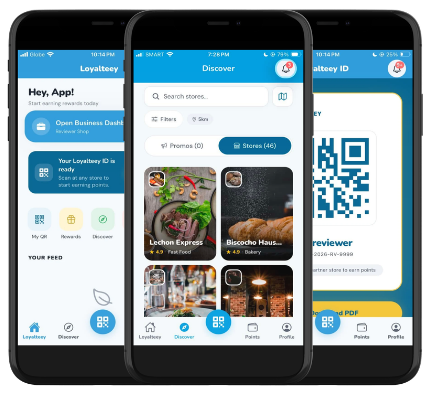
The Loyalteey app is built for exactly this kind of quiet, iterative rollout. Per-store points, birthday rewards, and a suki list out of the box — and the freedom to add complexity only when your customers have earned it.