Slow days don’t usually need a new logo. They need more familiar faces walking back in, even when it’s raining, even when payday’s still a week out.
A good loyalty program does that. Not with gimmicks, but with small, repeatable nudges that make your place the easy choice.
Loyalty isn’t “nice to have” when your margins are tight
If you run a café, salon, barbershop, corner store, or repair shop, you already know the math: new customers cost time and energy. Regulars keep the lights on. And honestly, paper punch cards are usually a waste. They get lost, they get copied, and they don’t tell you anything.
A loyalty program wins when it does three simple jobs: it gives people a reason to come back sooner, it nudges the ticket a little higher, and it keeps your shop in their head when they’re deciding where to go.
That’s the whole game. Everything else is details.
Make it effortless with one-QR Loyalteey ID (no phone number awkwardness)
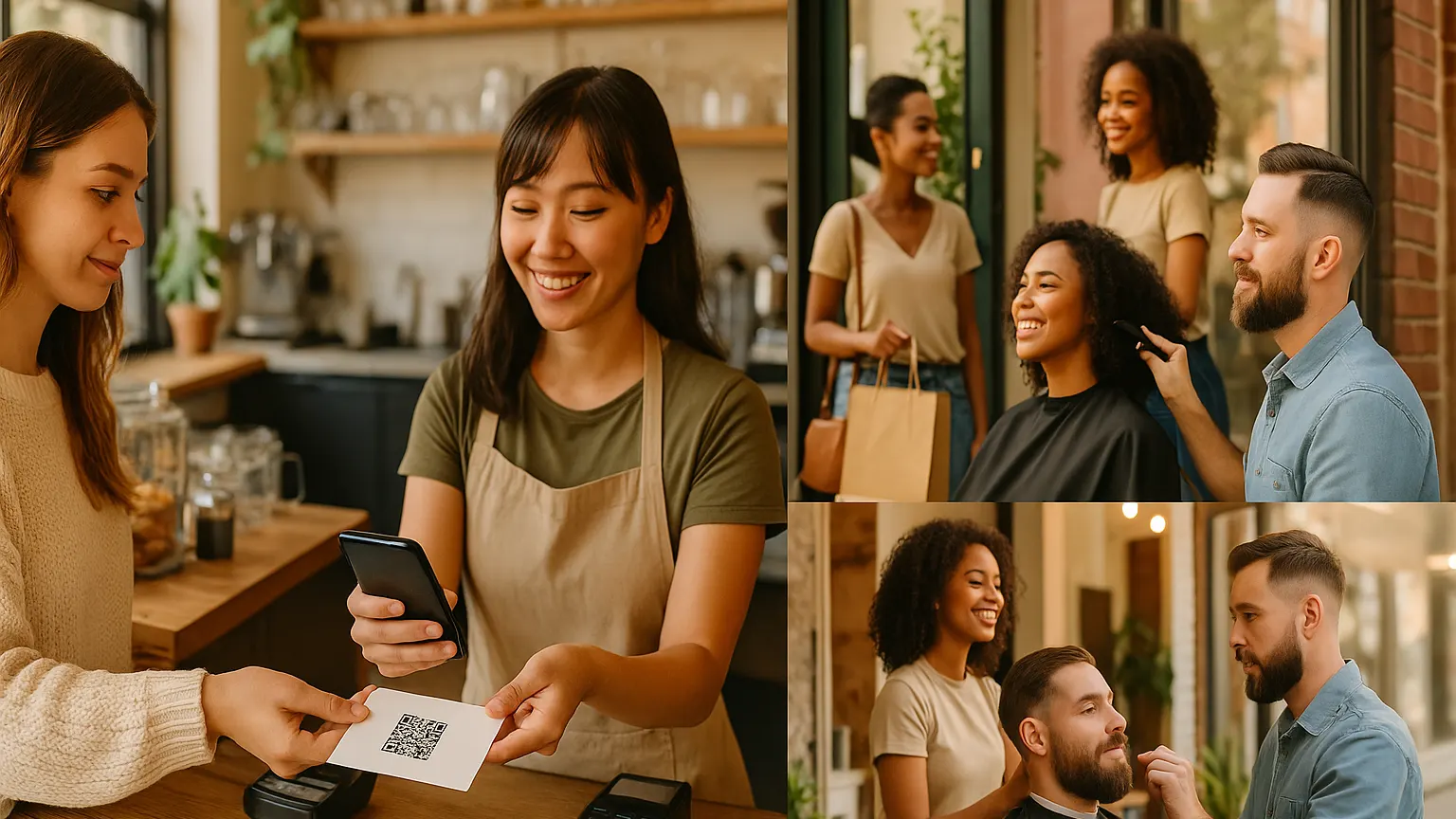
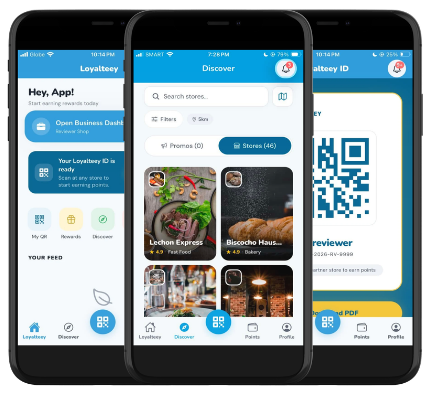
The best loyalty setup is the one your staff will actually use at 8:15am when there’s a line. Loyalteey keeps it simple with a one-QR Loyalteey ID. Customers pull up their QR once, your staff scans, points land in the right place. Done.
No “What’s your email?” shouting across the counter. No spelling names. No customers fumbling through texts to find a code. Just scan and move on.
And because customers have a customer wallet inside the app, they can see their points and rewards without asking your team to check. Fewer interruptions. Less friction. More repeats.
Per-store points keep your brand strong (even on a universal app)
Some owners worry a universal loyalty app will “blend” them in with everyone else. Loyalteey is built the opposite way. Points are per-store points, so customers earn and redeem with you, not across random shops.
That matters more than it sounds. You’re not trying to create a city-wide currency. You’re trying to create a habit: “I go there for my coffee,” or “That’s my barber.” Per-store points keep the connection tight.
Here’s a quick example. A neighborhood café sets a simple rule: earn points on every drink, redeem for a free iced latte after you’ve built up enough. A customer is choosing between two places on a Tuesday at 3pm. One feels familiar because they’re already halfway to a reward. Guess who wins?
Use a rewards ladder that matches how people really buy
If your only reward is “free item after 10 visits,” you’re waiting too long to motivate someone. Most people need a small win early, then a bigger goal later. That’s why Loyalteey works well with a rewards ladder.
Start with something achievable, then build upward. Keep the early reward cheap, the middle reward satisfying, and the top reward something people brag about (quietly, but still).
- Quick win: a small add-on reward that feels immediate, like a free extra topping or a $2 discount.
- Mid-level: a popular item or service upgrade people already buy, so it doesn’t feel random.
- Top tier: a premium version, a bundle, or a “treat yourself” reward that makes the grind feel worth it.
If you want to get more structured, Loyalteey’s tiers/brackets let you shape how customers move through levels as they earn. And you don’t need to overthink it. One bracket is enough to start. You can refine after you see what people actually redeem.
Plan-wise: the Free plan is a legit starting point. When you’re ready to run more advanced setups, the paid Pro tier and Pro Plus give you more room to scale your brackets and marketing.
Point multipliers fix slow hours without discounting your whole week
Discounts are blunt. They train customers to wait for a deal, and they shave your margins on your busiest days (the days that don’t need help).
Instead, use point multipliers like a dial. Turn it up when you need traffic. Turn it down when you don’t. A multiplier feels like a bonus, not a price cut.
Try one of these this week:
- Quiet-hour boost: 2× points from 2–5pm, Monday to Thursday.
- High-margin push: 3× points on an add-on you want to sell more of (conditioning treatment, dessert, accessory, upgrade).
- Come-back-sooner: 2× points for customers who return within 7 days.
Here’s the thing: you’re not bribing people. You’re steering demand to the spots where you have capacity. That’s smart management.
Blasts/promos + dashboard insights: market like you actually know your customers
A loyalty program shouldn’t just track points. It should help you communicate without feeling spammy. Loyalteey supports blasts/promos so you can send targeted messages tied to real behavior.
Keep messages specific. Keep them short. And send fewer than you think you should (one good promo beats five desperate ones).
Use dashboard insights to spot what’s working. Which rewards get redeemed? When do customers come back? Do multipliers change buying patterns? You don’t need a data team. You need a clear view and the willingness to tweak.
If you run more than one location, Loyalteey also supports branches and staff accounts. That means your team can scan and manage points properly across locations, without sharing logins or turning the register into a security risk.
If you want a loyalty program that wins, keep it simple: make earning effortless, make rewards feel reachable, and use multipliers and promos to shape the week you want. Loyalteey is free to start (your first bracket takes about 5 minutes). Set it up, print your QR, and let your regulars do what they already want to do: come back. Customers can download Loyalteey from the App Store or Google Play.