You don’t need a loyalty program that “feels busy.” You need one that brings people back, lifts what they spend, and pays for itself.
ROI sounds like a big-business word, but the math is small-business simple when you track the right things (and ignore the rest).
First, decide what “ROI” means in your shop
Most owners measure loyalty like this: “We gave out rewards, and the regulars seemed happy.” Nice. Not enough.
For a café, ROI might be more weekday visits. For a salon, it’s shorter gaps between appointments. For a corner store, it’s bigger baskets when someone stops in for “one thing.” Pick one primary goal so you don’t end up chasing vibes.
Here are four clean outcomes you can actually measure without turning into an accountant:
- Repeat rate: how many customers come back within a set window (say, 30 days).
- Visit frequency: how often members visit compared to non-members.
- Average spend per visit: did members add the pastry, the conditioner, the screen protector?
- Reward liability: what you “owe” in points and redemptions, so rewards don’t quietly eat margin.
If you choose just one, start with visit frequency. It’s the heartbeat of most small shops.
Track the basics with Loyalteey’s dashboard insights
If your loyalty program lives on paper, measuring ROI turns into a weekly guessing game. Someone loses the stamp card. Someone “forgets” they already redeemed. And you can’t see what’s working.
Loyalteey’s dashboard insights are built for exactly this: you can watch membership activity, redemptions, and performance over time without digging through receipts. Not fancy. Just useful.
Start with a simple weekly routine. Same day, same time, fifteen minutes:
- New members added: did your staff ask, or did they forget when the line got long?
- Points issued vs. rewards redeemed: you want steady earning and steady redemption, not a dead program.
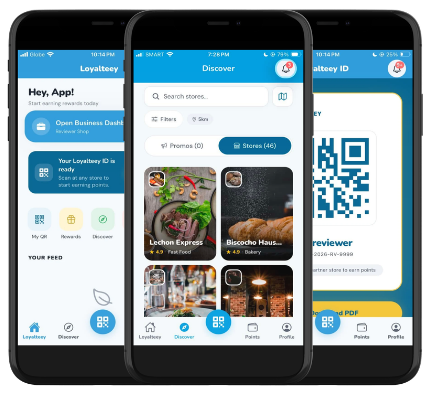
- Active member trend: are people scanning their Loyalteey ID regularly, or did signups spike and then vanish?
One more thing: measure “members” and “active members” separately. A customer who joined once and never scanned again is not ROI. That’s a dusty list.
Make attribution less messy with the one-QR Loyalteey ID
Here’s the thing — ROI gets muddy when you can’t connect a purchase to a customer. Loyalty works best when it’s frictionless at the counter.
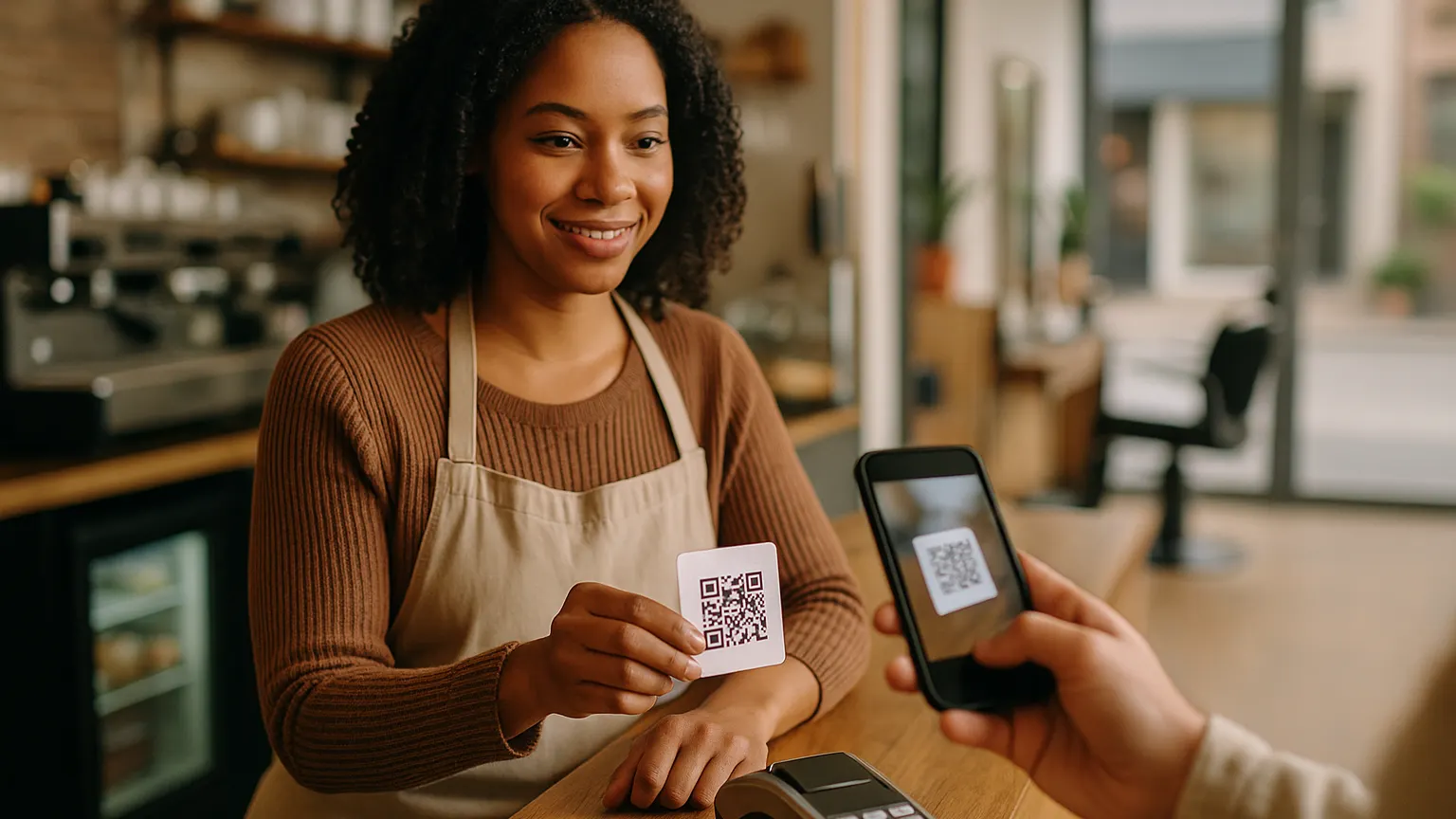
Loyalteey uses a one-QR Loyalteey ID customers can scan to earn and redeem. No punch cards to reprint. No phone number guessing. Less “Wait, what’s the code?” while your next customer stares at the menu board.
That one QR also helps you stay consistent across staff shifts. Tuesday’s new hire and Saturday’s veteran barista can both run the same flow, which makes your numbers trustworthy.
Quick scenario: A downtown café runs a Tuesday 2× points happy hour from 2–5pm using point multipliers. Normally, Tuesdays at 3pm are quiet. After two weeks, the owner checks the dashboard: Tuesday scans are up, and redemptions are happening mostly on Fridays (when margins are stronger). That’s the kind of cause-and-effect you can act on.
ROI isn’t just repeat visits. It’s margin control (rewards ladder)
Honestly, weekend punch cards are a waste if the reward is too easy and too expensive. You end up discounting your busiest hours, when you didn’t need help.
Better approach: build a rewards ladder that protects margin and nudges behavior. Think small rewards early, better rewards later, and a top reward that feels special but doesn’t wreck your costs.
A practical ladder for a barbershop might look like:
- Easy win: a small add-on after a few visits (quick, low-cost, feels like progress).
- Mid-tier: money-off a service with healthy margin, not your cheapest item.
- Top reward: something “sticky,” like a premium upgrade, that keeps your best customers coming back.
This is also where per-store points matter. Customers earn and redeem at the same store, so your rewards budget stays yours. You’re not subsidizing someone else’s business. That makes ROI cleaner and safer.
Increase ROI by targeting who gets what (tiers/brackets + blasts/promos)
Not every customer deserves the same deal. Some folks are already coming weekly. Others need a nudge. Tiers help you spend rewards where they actually change behavior.
Loyalteey supports tiers/brackets so you can set different earning rates or perks for different levels of loyalty. And when you want to push traffic during slow windows, you can use blasts/promos to tell the right customers what’s on offer.
Keep it simple this week:
- Bracket 1: new members. Make the first reward reachable, fast.
- Bracket 2: regulars. Add a perk that nudges bigger baskets, not discounts every time.
- Bracket 3: VIPs. Give them something that feels personal (priority slots, early access, a monthly bonus).
Plan-wise, you can start on Free to get your first bracket live and learn what your customers actually do. When you’re ready to segment deeper and run more deliberate outreach, move up to the paid Pro tier or Pro Plus (especially if you’re running heavier promos or managing more complex setups).
If you have multiple locations, treat them like one business (branches + staff accounts)
Multi-branch ROI can get weird fast. One location pushes signups, another forgets. One team redeems correctly, another “wings it.” Your results look random because execution is random.
Loyalteey supports branches and staff accounts, so you can keep loyalty consistent while still tracking performance by location. That’s gold if you’re trying to answer questions like, “Is Branch B actually weaker, or are they just not asking customers to scan?”
Small move that pays back: set one loyalty script, train it once, and check compliance weekly. Boring. Effective.
Loyalty ROI isn’t magic. It’s a handful of repeatable habits: track scans and redemptions, build a rewards ladder that protects margin, and use tiers plus promos to push traffic where you need it.
Loyalteey is free to start, and your first bracket takes about five minutes to set up. If you’re a customer, you can download Loyalteey from the App Store or Google Play and start earning points at your favorite spots.