A stranger asks “How much?” A regular asks “What’s new?” That one shift in mindset is why repeat customers usually spend more.
The good news: you don’t need a fancy brand to earn that kind of loyalty. You need a few simple psychological triggers, then a program that makes them easy to run day after day.
People spend more when it feels familiar (and low-risk)
Most customers aren’t doing math in your shop. They’re managing tiny risks: Will the haircut turn out okay? Will this new pastry be dry? Will this phone repair actually hold?
Once someone has a “good outcome” with you, their brain files you under safe. Safe businesses get bigger baskets. Not because customers love spending, but because they stop second-guessing.
Here’s a simple way to lean into that with Loyalteey: keep loyalty points per-store points, so customers build a clear relationship with your counter, not some generic marketplace. When points are tied to your store, the customer’s “I know this place” feeling gets reinforced every visit. Small. Repeated. Powerful.
Progress is addictive, so make it visible with a rewards ladder
Honestly, most old-school punch cards waste momentum. Customers lose them, forget them, or they sit in a wallet until the paper looks like it’s been through the laundry.
What works better is visible progress. The psychology is simple: when people see they’re close, they finish. That’s why “2 points away” feels like an itch.
Loyalteey’s rewards ladder is built for this. Instead of one distant reward, you can stack a few steps customers can actually reach.
- Small win: “50 points = free espresso shot” (cheap for you, satisfying for them).
- Mid win: “120 points = any pastry” (nudges a higher average ticket because they add a drink).
- Big win: “250 points = $10 off” (brings them back when they’re drifting).
Notice what’s happening. Customers don’t just chase the top reward. They keep buying because they don’t want to “waste” the progress they already earned.
Tiers/brackets tap identity: regular, VIP, inner circle
People like belonging. They also like status (quietly, even the shy ones). When you label loyalty tiers well, customers start shopping to stay in a tier or reach the next one.
With Loyalteey, you can use tiers/brackets to shape that identity. Make it feel earned, not gimmicky.
Try this structure and keep the names plain:
- Regular: earned after a few visits. Give a small ongoing perk, like an occasional bonus points day.
- Preferred: earned after consistent monthly visits. Offer something that improves their experience, not just discounts (priority booking slots for a salon, for example).
- VIP: for your top slice. Give one perk that feels personal, like a free add-on once a month.
Where plans fit in: start simple on Free if you’re testing your first tier. When you’re ready to run a more layered program, the paid Pro or Pro Plus tiers are there for deeper control (especially if you’re managing more brackets and promotions).
Timing beats discounts: use point multipliers and blasts/promos
Discounting everything teaches customers to wait. Don’t do that to yourself.
A better move is to change when people buy, not just how much they pay. That’s where the psychology of “right now” comes in: a limited bonus feels like found money, and it pushes customers to add an item or visit sooner.
Loyalteey makes this practical with point multipliers and blasts/promos. You’re not begging for attention; you’re giving a reason to swing by.
One realistic scenario:
A downtown café is slow on Tuesdays after 3pm. They run a Tuesday 2× points window using point multipliers, then send a short blast/promo at 2:30pm: “2× points 3–6 today. New lemon loaf is out.” Regulars show up, and a lot of them add the loaf because it feels like a bonus day.
It’s not magic. It’s a nudge at the exact moment customers are deciding what to do next.
Friction kills repeat visits, so make earning effortless with one-QR Loyalteey ID
If loyalty takes longer than paying, people skip it. They’re not rude. They’re just holding a kid, juggling bags, or trying to get back to work.
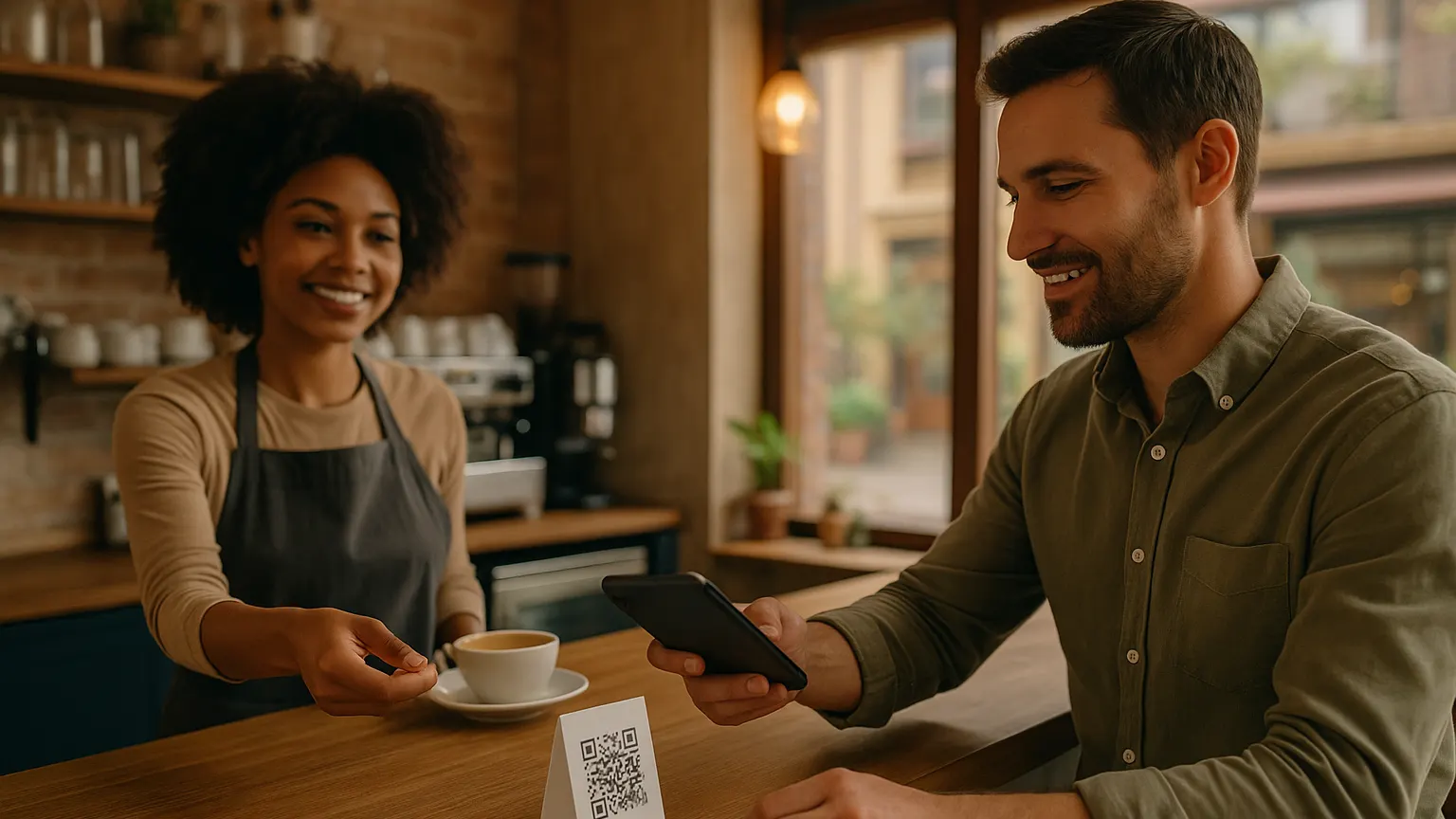
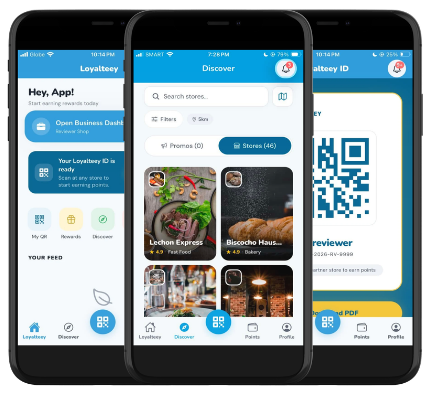
Loyalteey reduces that friction with a one-QR Loyalteey ID. Customers keep one QR in the app and use it across participating stores, but points still remain per-store. So the customer experience stays simple, and your store relationship stays intact.
On your side, it’s smoother too. Use staff accounts so your team can scan and apply points without sharing logins or improvising at the register. If you run multiple locations, branches keeps it consistent so customers don’t have to ask, “Does this work at the other spot?”
Use dashboard insights to reward what you actually want
Loyalty programs fail when they reward the wrong behavior. If your reward pushes customers to buy only the cheapest item, your average ticket drops and you feel resentful. That’s a bad combo.
Use dashboard insights to watch patterns: redemption timing, who’s close to a reward, which promos bring people back, and where customers stall out. Then adjust the ladder.
A quick “this week” tweak that works in almost any shop:
- Raise points earned on your high-margin add-ons (extra sauce, beard trim, screen protector) so customers build a habit of adding them.
- Lower the first reward threshold slightly so new customers hit something fast.
- Move your “big reward” far enough out that it drives repeat visits, but not so far that it feels impossible.
Think of loyalty as training. You’re teaching customers how to buy from you.
If you want repeat customers who spend a little more without you constantly discounting, build visible progress, reduce friction, and reward the behaviors that keep your margins healthy. Loyalteey is free to start, and your first bracket takes about five minutes to set up. Customers can download Loyalteey from the App Store or Google Play, scan their one QR, and you’re off.