Stamp cards have lasted decades for a reason: they are cheap, simple, and visual. But they are also lossy, anonymous, and brittle. A rewards app is the natural upgrade — and the cleanest way to run a mobile wallet loyalty program for any small business.
What stamp cards quietly cost you
Every paper stamp card hides three problems. The owner does not see them until much later.
- They get lost. Wallet, laundry, gone. The customer is too embarrassed to ask for a replacement and quietly stops collecting.
- They are anonymous. You can count returned cards, but you cannot tell who the top 10 regulars are or who has gone quiet.
- They cannot tier. A ₱50 purchase and a ₱500 purchase get the same stamp. That undervalues your best customers.
What a rewards app fixes
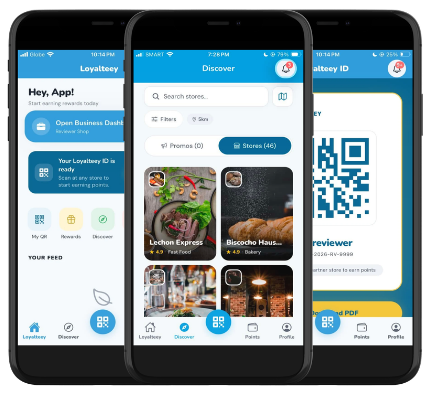
A rewards app preserves the simple ritual — visit, get credit, redeem reward — but adds memory. Points cannot be lost. Brackets let you reward higher spend with more points. The owner gets a real suki list with last-visit dates. Customers see their balance whenever they open the app.
None of that requires a POS upgrade or new hardware. A printed QR on the counter is enough.
The ritual still matters
One thing stamp cards got right is the visible progress — that small hit of dopamine when the 9th stamp goes in and the next visit is free. A good rewards app keeps that same feeling, with a progress ring or a points balance that creeps up visit by visit.
A bakery owner in Marikina tested both side by side for a month. The paper card was loved by older customers, but only 4 out of 30 came back to redeem. The app version saw 19 out of 30 redeem. The behavior the bakery wanted — return visits — clearly preferred the app.
The path forward
If you already run stamp cards, you do not have to scrap them overnight. Run both for a few weeks, let regulars migrate naturally, then retire the paper version. The Loyalteey app handles the rewards-app side — free tier, no POS, one QR sticker, and a suki list you can finally trust.