Most loyalty programs fail for one boring reason: the reward feels too far away. Tiered loyalty fixes that, if you build it like a ladder people can actually climb.
Here’s a practical way to structure tiers that drive repeat visits, bigger baskets, and fewer “I forgot my punch card” moments.
Start with one simple promise (then add tiers)
Tiers aren’t magic. They’re just a clear trade: “Come back more often, get treated better.” If your program starts with a complicated chart, customers tune out at the counter.
So begin with a base layer that anyone can understand in five seconds. In Loyalteey, points are earned per store, which matters. Customers aren’t earning some vague, shared currency. They’re building progress with you, which makes the relationship feel personal.
Pick a single earning rule and stick to it for at least a month. Example: one point per $1 spent. Clean. Predictable. Easy to explain when the line is six people deep.
Build a rewards ladder people can see themselves reaching
Honestly, weekend punch cards are a waste for most shops. They reward the already-loyal regulars and ignore everyone else who’s on the fence. A good tier structure gives “almost regulars” a reason to become actual regulars.
Use a rewards ladder that mixes quick wins with longer goals. Loyalteey lets you set that ladder using tiers/brackets, so a customer’s progress isn’t hidden in a spreadsheet somewhere.
- Tier 1 (Entry): a small reward that hits fast (think after 5–10 visits or a modest points target). It proves the program is real.
- Tier 2 (Regular): the “I come here a lot” tier, with perks that feel special but don’t wreck margins. Priority booking, a free add-on, or a nicer upgrade works well.
- Tier 3 (VIP): fewer people reach it, so you can be more generous. Not cheaper, just better: limited rewards, early access, or occasional surprise bonuses.
One caution: don’t make the first reward too hard. If your average café ticket is $4.20 and you set the first reward at 300 points, people will stop checking.
Use point multipliers to nudge the behavior you want
Discounts are blunt. A tiered program lets you steer habits with a lighter touch. That’s where point multipliers shine.
Picture a Tuesday at 3pm. It’s quiet, you’re fully staffed, and you’d love a small rush. Run a “Tuesday 2× points” window for two hours. Same prices. Same menu. The customer feels like they got a deal, but you protected your margins.
Or take a salon: you want more pre-booking. Offer 2× points when clients book their next appointment before they leave. Simple nudge, big operational win.
Loyalteey makes this kind of promo clean because customers earn points tied to your store, and their customer wallet shows progress without them digging through emails.
Make tiers effortless with one QR and staff accounts
If it’s annoying for staff, it won’t last. That’s the whole story. Your team is busy, and “Did you scan?” can’t become a daily argument at the register.
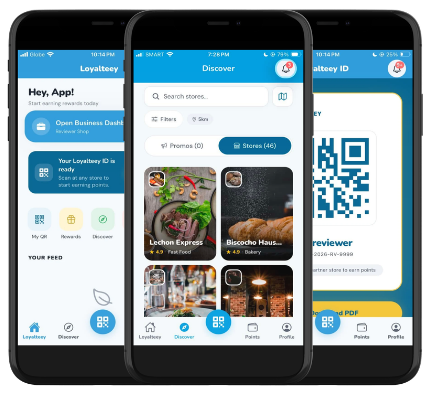
Loyalteey helps here with a one-QR Loyalteey ID for customers. They scan once, they’re recognized, and points land in the right place. No rummaging for a stamp card. No “I left it at home.”
On the shop side, use staff accounts so the process doesn’t bottleneck around one owner login. If you run multiple locations, branches matter too. You can keep the loyalty experience consistent across sites, without staff improvising rules.
Keep the script short. “Do you have Loyalteey?” is enough. The fewer words, the higher the adoption.
Promote each tier like a mini-campaign (blasts/promos)
A tiered program only drives growth if people know what they’re aiming for. Don’t assume customers will explore the app and figure it out.
Use blasts/promos to highlight one tier at a time. Not every perk, all at once. A single message, one clear action.
- When someone joins: welcome them and point to the first reachable reward.
- When they’re close: “You’re 20 points away from Tier 2” is motivating (and specific).
- When they level up: celebrate it, then show what Tier 3 looks like so the momentum doesn’t die.
Plan-wise, start simple on Free and prove the concept. When you’re ready to run more advanced tier structures and more active outreach, step up to the paid Pro tier or Pro Plus (especially if you’re managing more locations and staff).
Watch what moves the needle with dashboard insights
Tiers can turn into a guessing game if you never check results. You don’t need fancy math. You need a quick read on what’s working.
Use dashboard insights to answer a few practical questions:
- Are people reaching the first reward within a reasonable time, or is it too far away?
- Which reward gets redeemed most, and does it bring people back sooner?
- Do multipliers lift slow periods, or are they just giving away extra points at busy times?
If Tier 2 is a ghost town, lower the threshold a bit or add a perk that feels more “daily useful.” If Tier 1 is too easy, raise it slightly so the program still feels earned. Small tweaks beat big relaunches.
If you want tiered loyalty without the headache, start with Loyalteey. Loyalteey is free to start, and your first bracket takes about five minutes to set up. Customers can download the Loyalteey app from the App Store or Google Play, scan your QR, and start earning points right away.